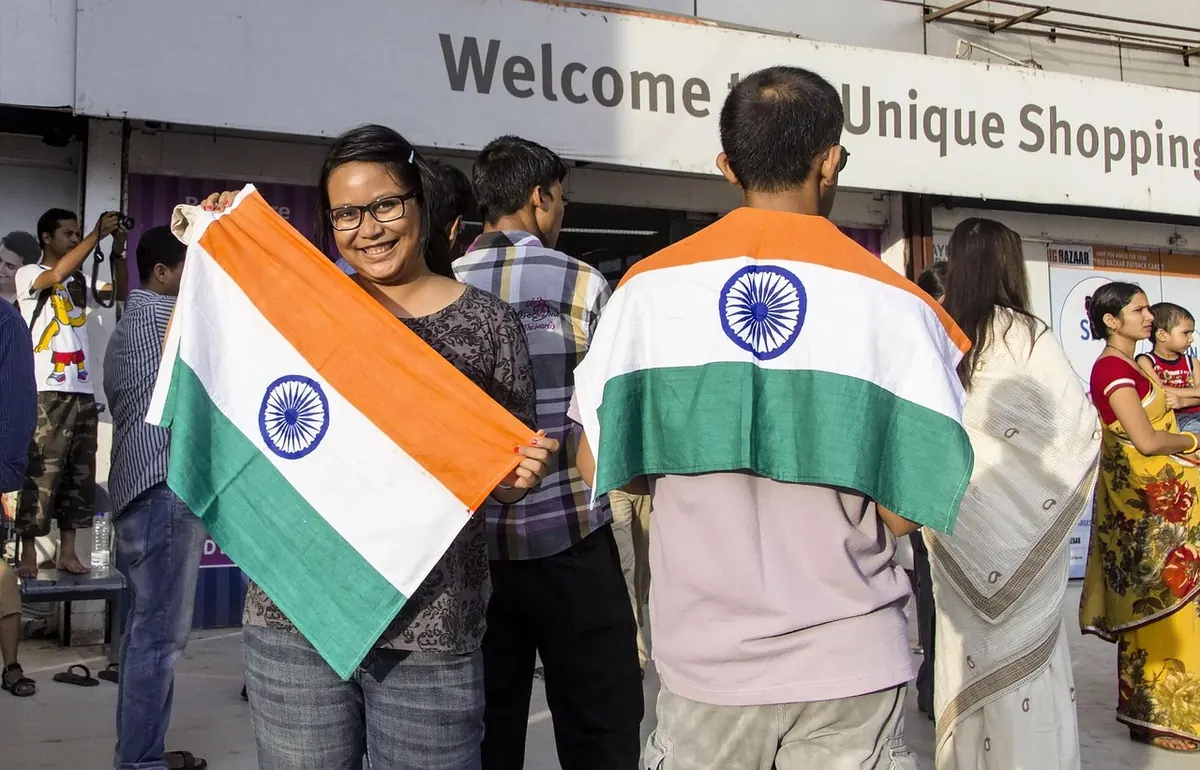
Liverpool knows how to put on a festival. Whether it's a stage in Sefton Park, a warehouse in the Baltic Triangle or a dockside site with the river behind it, the city has a habit of making a good line-up feel like a proper occasion. It also has a habit of soaking first-timers who turned up in a T-shirt, and of stranding anyone who assumed there would be a train home at midnight. This checklist is the boring part sorted in advance, so the day itself can be about the music.
Dress for the forecast, not for the photos
Merseyside weather does not do consistency. You can get grey drizzle at 2pm and warm sun by 6pm, then a cold wind off the water once the sun drops. Layers beat one thick coat every time, because you need to shed and re-add without carrying a bin bag of clothing for eight hours.
Footwear matters more than anything else you'll wear. Sefton Park after a wet week is mud with grass somewhere underneath. Dockside sites are exposed and breezy. Leave the new white trainers at home and wear boots or trainers that are already broken in. Pack a spare pair of socks in a sealed bag — the moment your feet get wet is the moment the day starts going downhill.
A light waterproof with a hood is worth more than an umbrella, which will be confiscated, bent or used to poke someone in the eye during the first chorus.
The day bag, kept deliberately small
Check the festival's own rules before you pack, because accepted bag sizes and bottle policies differ from site to site. As a general rule, a small rucksack or crossbody bag is fine and a large one is not. Into it:
- Reusable water bottle — free refill points are usually available, so ask at the gate what's allowed in.
- Power bank and cable — your phone is your ticket, your map and your way of finding people.
- Sun cream and a cap — the sunburn days are often the ones nobody predicted.
- Tissues, hand gel and a small towel — portaloos and festival food both make a case for this.
- A packable poncho or bin liner — for you, or to sit on if the ground is damp.
- Any medication you need, in its original packaging, plus a note of what it is. Speak to your GP or pharmacist before the event if you have a condition that could flare up in a crowd, in heat or after a long day on your feet.
- Card and a little cash — most sites are card-only now, but not every bar is, and signal can drop.
- Photo ID, especially if you're near the age checks.
- Snacks — a cereal bar at 9pm has rescued more people than any headline set.
Ear protection is not a sign of old age
Standing near a speaker stack for six hours does damage that you won't notice until the following morning, when everything sounds like it's coming through cotton wool. Foam plugs cost very little from a pharmacy and take the edge off. If you go to gigs often, musician's or filter earplugs are worth the investment because they cut volume while keeping the sound clear.
Sensible habits: don't park yourself next to the bass bins for the whole day, take a break at the back between sets, and if your ears are ringing or feel blocked the next day, give them a rest from loud sound and get advice from a pharmacist or GP if it doesn't settle. That isn't fussiness — it's the difference between enjoying gigs for decades and not.
Meeting points and the lost-friend plan
Crowds at big events can overload mobile networks, so texts that send instantly at 3pm may sit unsent at 10pm. Don't rely on your phone as the only plan.
Before you go through the gate, agree three things with your group: a named meeting point (not "by the bar" — pick something fixed, like the left-hand side of the main stage sound tower or the big tree by the park entrance), a time to check in, and a cut-off time when you'll go home whether or not everyone has turned up.
Then make it resilient. Screenshot your tickets and your travel plans in case signal fails. Write the meeting point on the back of your hand or a card in your pocket. If someone's phone dies, they go to the meeting point, not to the crowd. That one rule saves hours.
Getting there without the drama
Merseyrail is usually the easiest option for city-centre and south Liverpool sites, with connections at Lime Street, Central, Moorfields and James Street. For Sefton Park events, St Michael's is the closest stop; for the north docks, Sandhills is the one to aim for. Buses run close to most sites too. Check the operator's website on the day — engineering works and event-day crowd control both change things.
If you're driving, book parking in advance or use a park-and-ride where one is running, and expect road closures around the site well before the gates open. Don't leave anything visible in the car.
Getting home is the part people get wrong
Look up the last trains before the festival, not at 11pm with a dead battery. Merseyrail's last services leave earlier than you'd expect, and some routes thin out sharply after the evening peak. If the last train is at a time you're not willing to leave at, decide that now and build the day around it.
Your realistic late-night options:
- Night buses and late bus services into the city centre and out to the suburbs — cheaper than a taxi, slower, and often busier than you'd think.
- Hackney carriage ranks — the black cabs you can hail or pick up at a rank, including around Lime Street and the main city-centre streets.
- Pre-booked private hire — private hire cars generally can't be flagged down on the street, so book with a licensed operator and expect a wait at peak times.
- Walking in a group on well-lit main routes, sticking to main roads rather than cut-throughs.
- Staying over — if you're coming from outside Merseyside, a city-centre hotel or a friend's sofa turns a stressful night into a good one. Book early; festival weekends fill up.
Agree your route home in advance, share your location with someone you trust, and keep enough battery for one call. If you're driving, the driver drinks nothing. No exceptions.
The night before: five minutes that save the day
- Charge your phone and power bank, and download your tickets.
- Screenshot the last train or bus times and your taxi number.
- Check the festival's bag, bottle and entry rules.
- Pack the bag, including socks, plugs and painkillers if you use them.
- Confirm the meeting point and the cut-off time with your group.
Then get an early night. Liverpool festivals are long, brilliant days, and the people who enjoy them most are the ones who sorted the small things before the first band came on.
Photo: Bence Szemerey / Pexels